
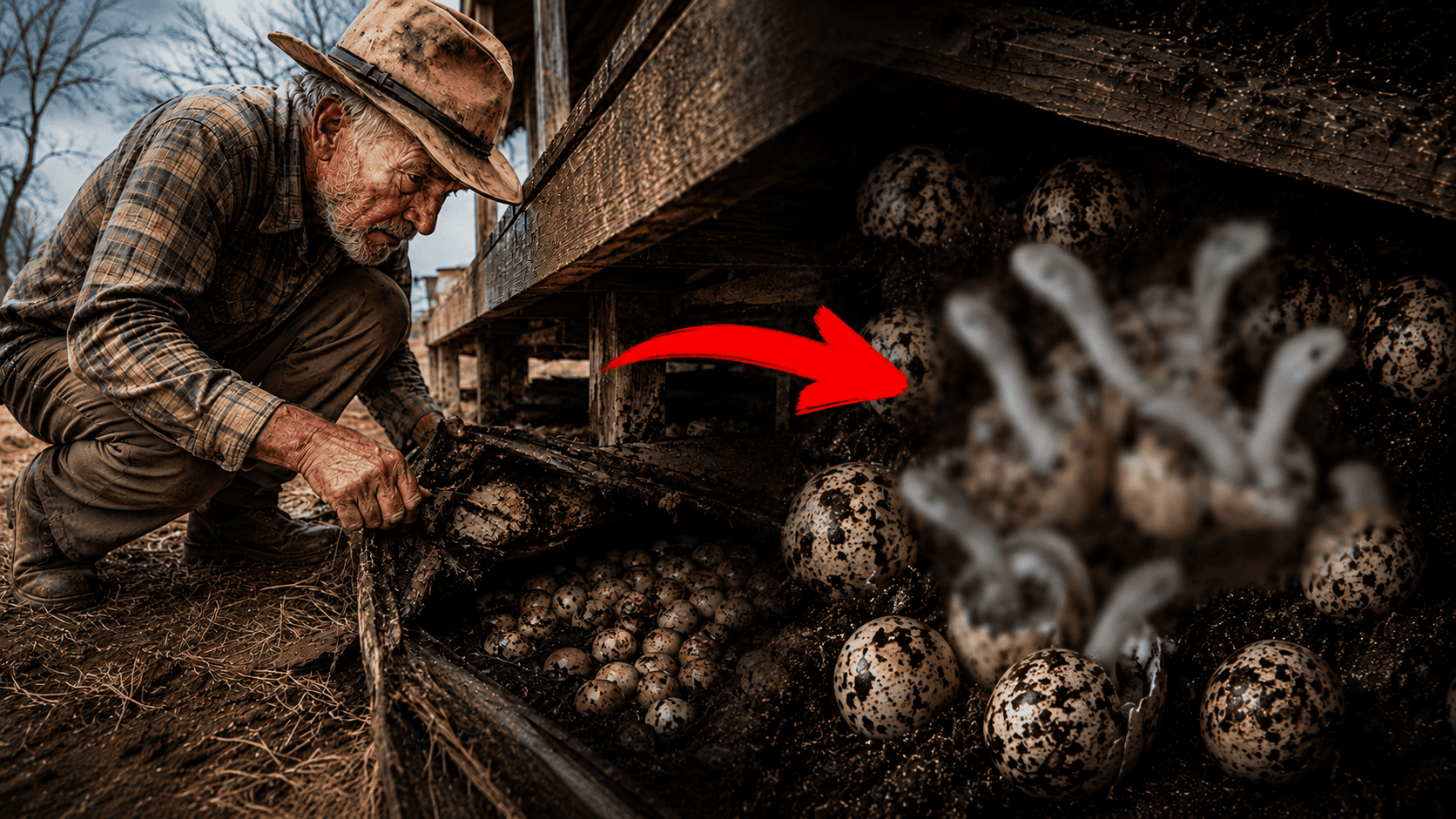
An elderly man found hundreds of strange eggs under his deck. When they hatched, the authorities put his entire house under quarantine immediately.
South African retiree Elias Van Zyl was clearing debris beneath the wooden deck of his farmhouse when he discovered hundreds of oval eggs clustered in the dark soil. He photographed them and sent images to his grandson at the provincial nature reserve, who couldn’t identify the species.
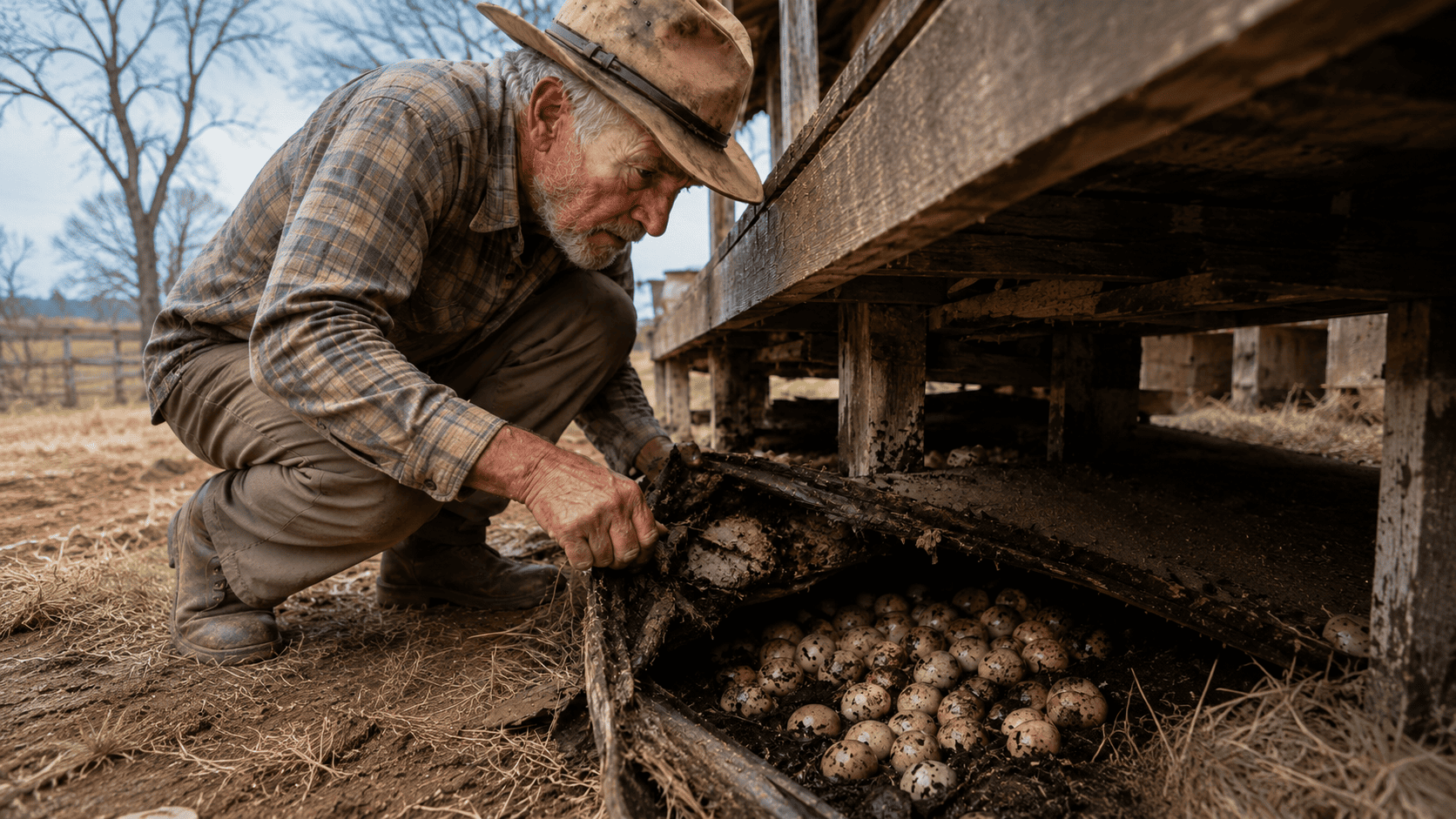
His grandson at the Grootfontein Nature Reserve studied the photos carefully but couldn’t match the eggs to any known local species. The unusual speckled markings and sheer number of eggs — scattered across a wide area — made the identification even more puzzling.

The eggs had changed from pale yellow to a mottled grey with strange markings appearing on their surfaces. More eggs spread throughout the crawl space between the support beams and deeper into the soil — the infestation was far larger than Elias had first realized.
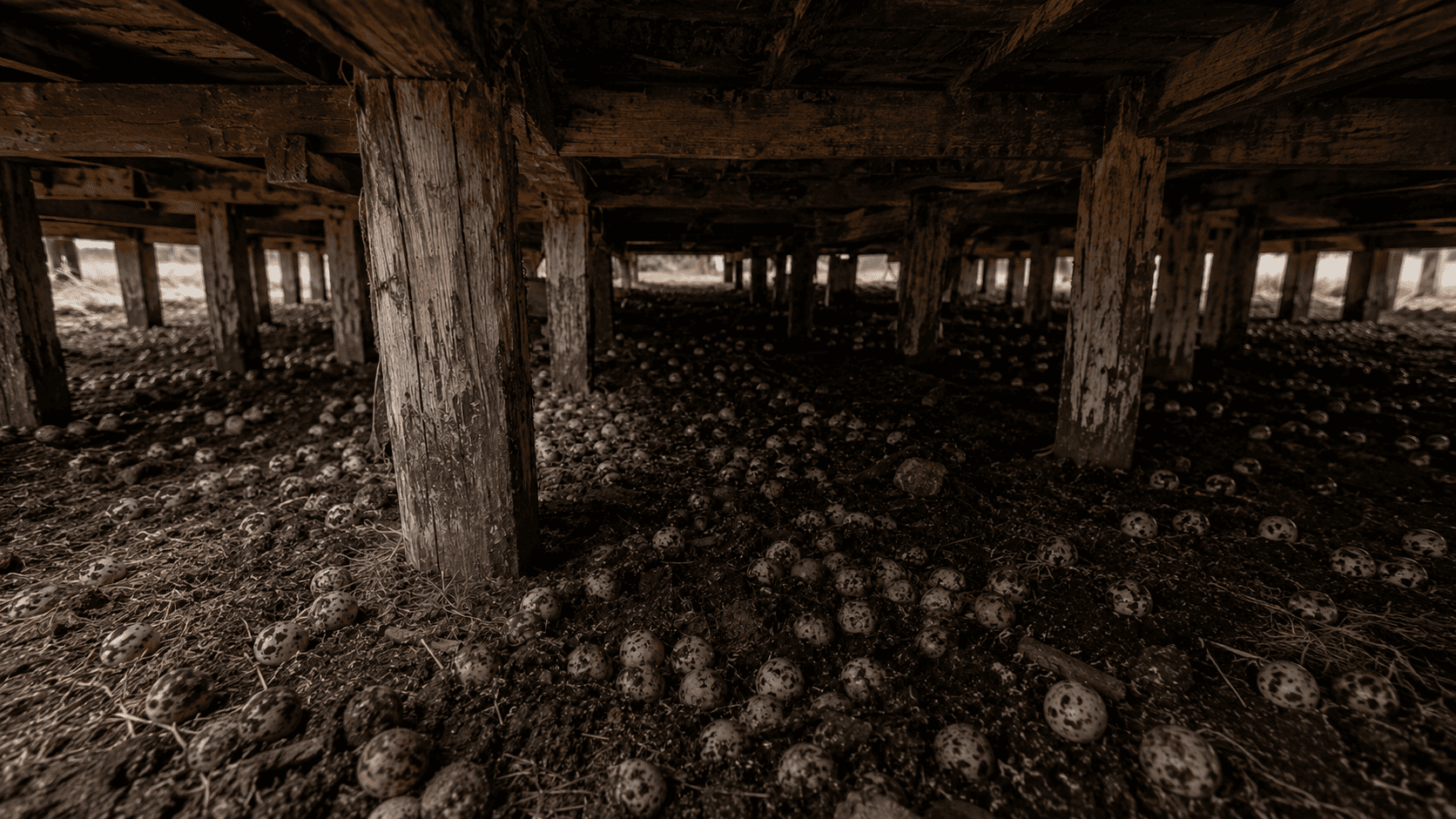
Wildlife authorities arrived in protective gear, documenting clusters while collecting samples for testing. As they worked methodically beneath the deck, tiny cracks suddenly formed on several shells, with movement clearly visible inside.
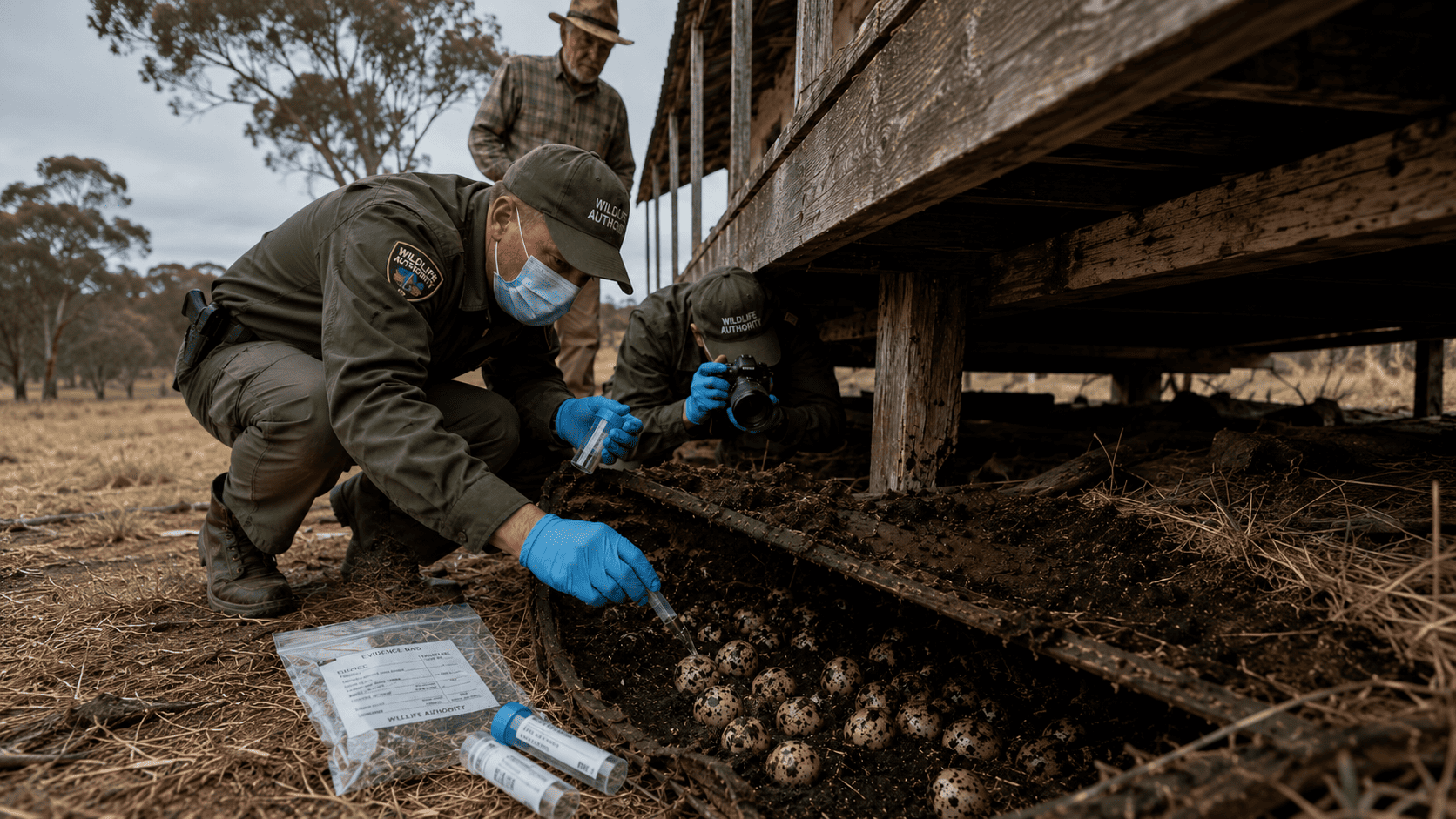
When officials saw what was emerging from the first broken eggs, they ordered an immediate evacuation. Yellow quarantine tape went up around the entire property as officers called in specialist support. Elias stood back and watched in disbelief as his farmhouse was surrounded.
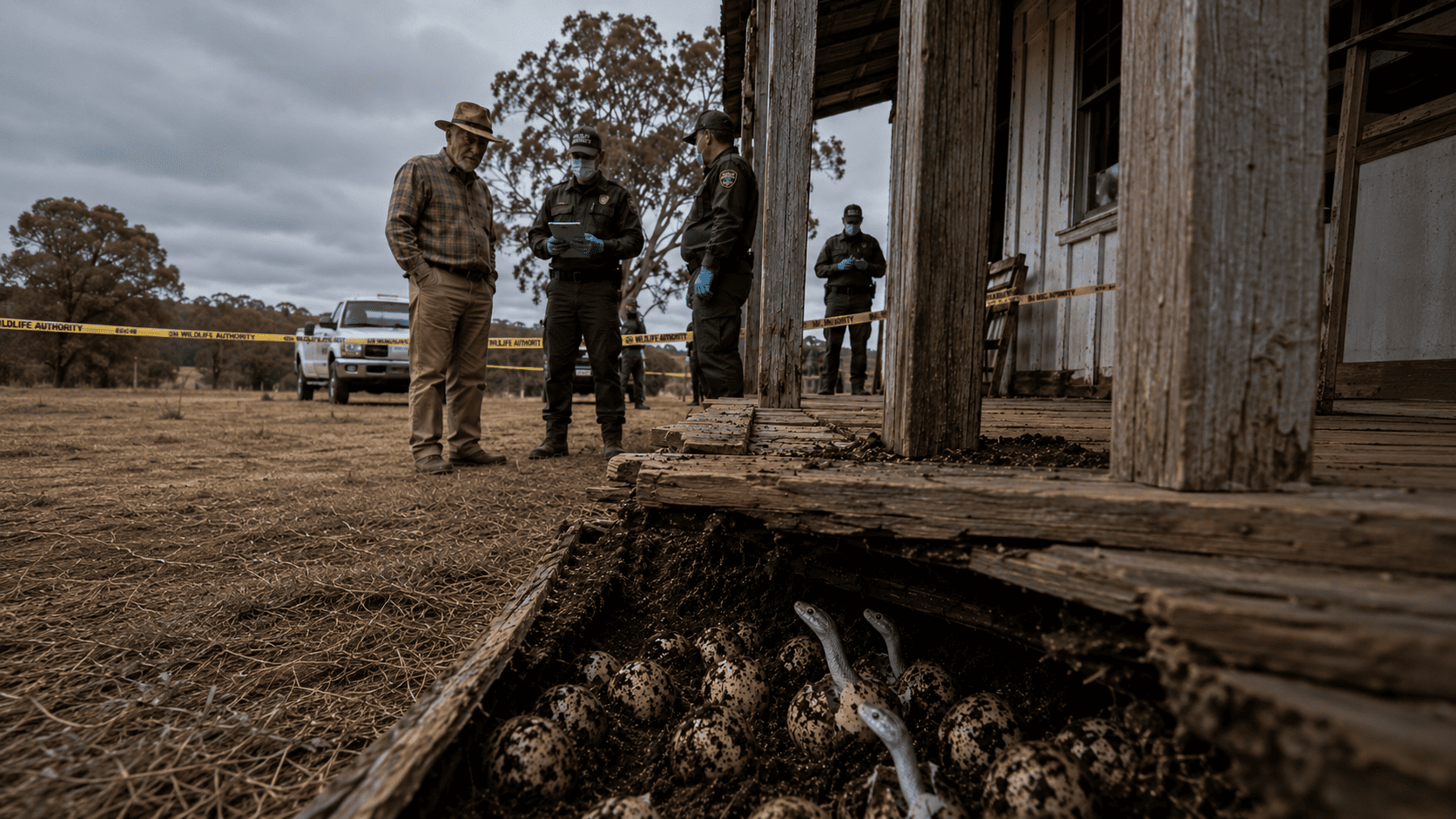
Officers on the ground moved in close to examine the hatching eggs, carefully capturing footage and samples of the pale, ghostly hatchlings emerging from the shells. The unusual coloring confirmed what the specialists had begun to suspect.
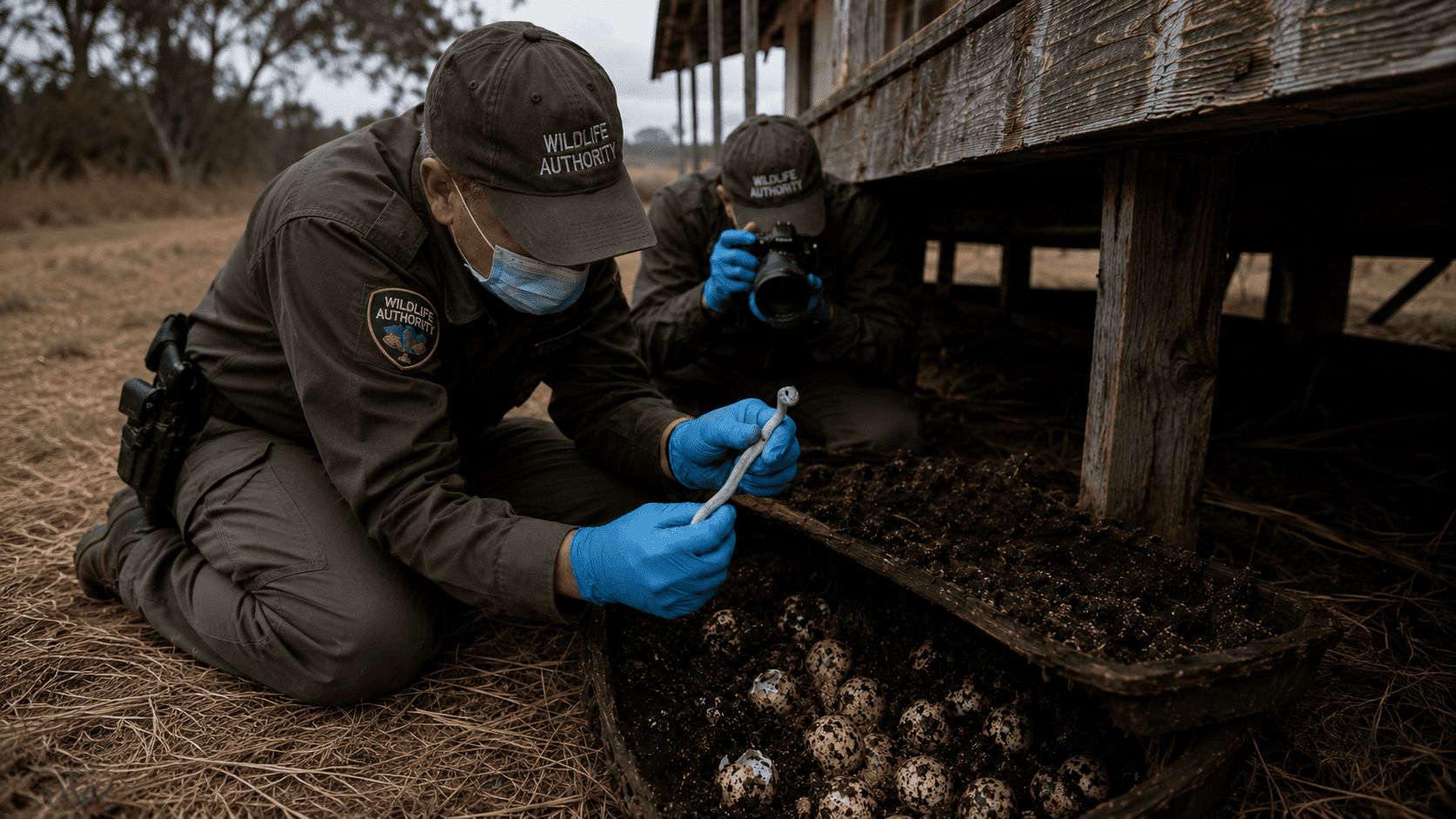
Wildlife experts identified the eggs as black mamba nests — an unusual amelanistic variant that explained why they weren’t recognized initially. Several females had laid hundreds of eggs beneath Elias’s deck, and the baby mambas were already hatching and spreading throughout the property, each one carrying deadly venom from birth.
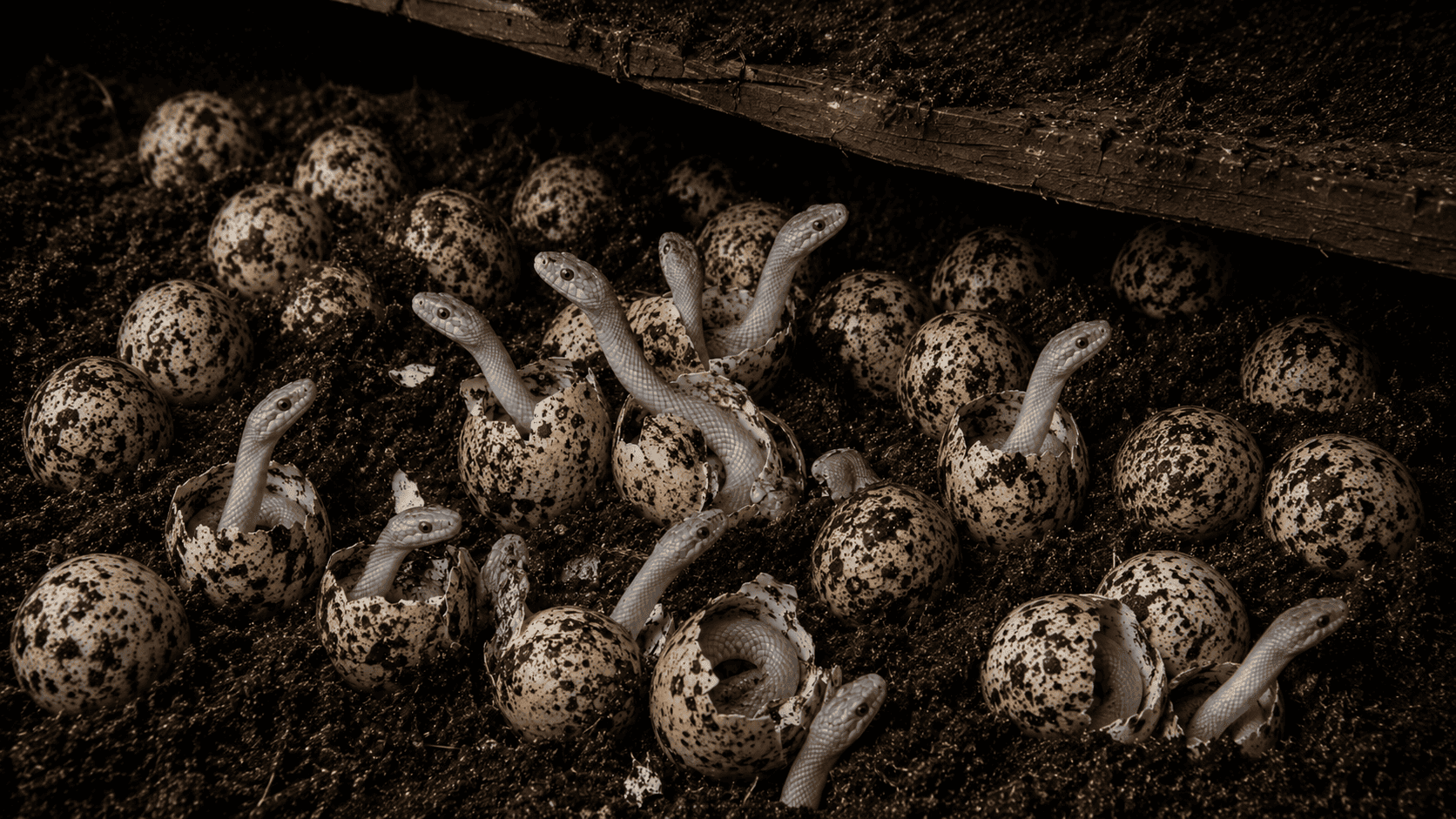
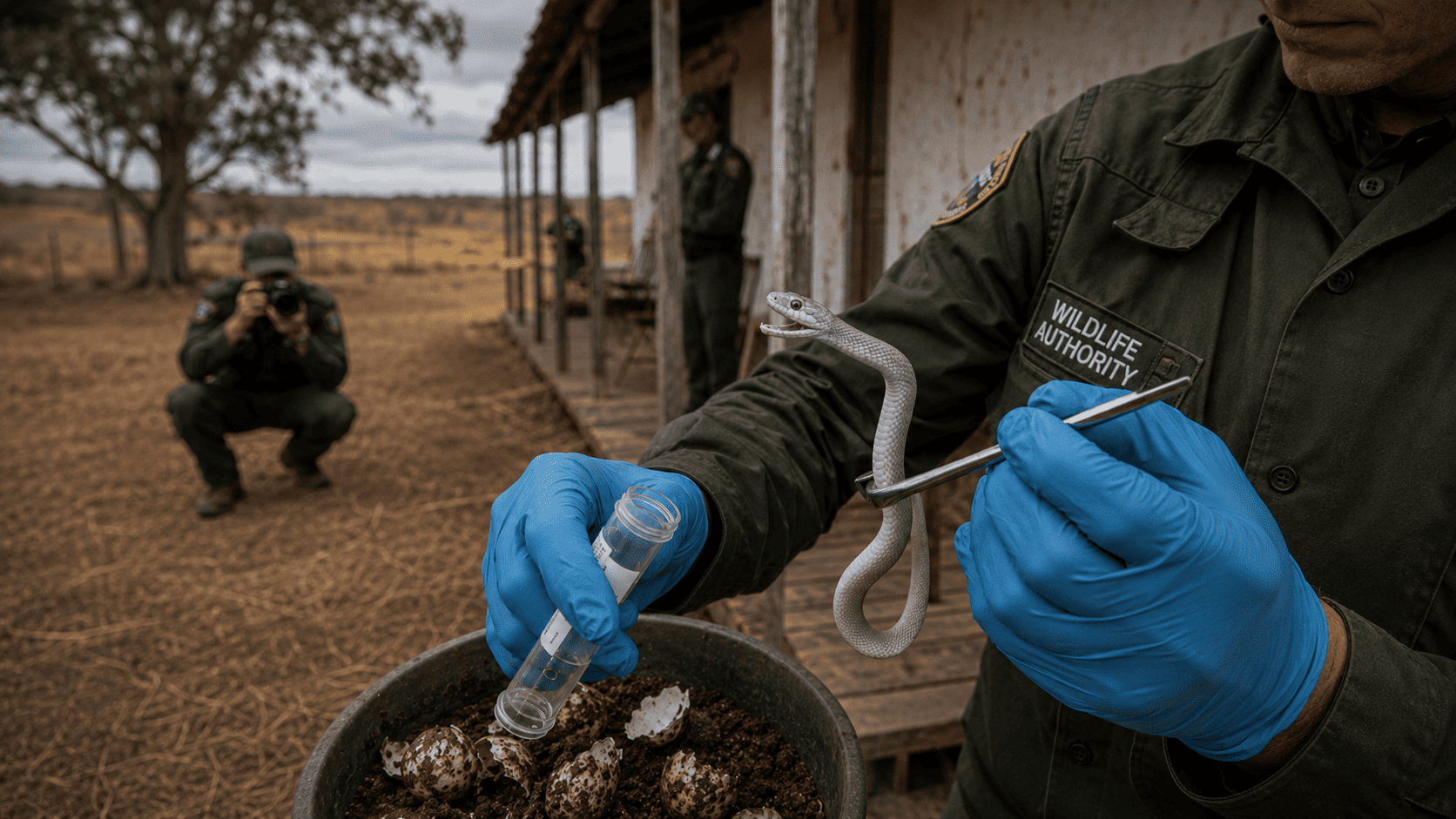
Specialized snake handlers spent four days extracting nearly 150 young mambas using thick protective gear and capture equipment. The discovery marked one of the largest black mamba breeding sites ever found in a residential area, requiring a complete property lockdown to prevent future nesting.



Leave a Reply